
Older homes throughout Buffalo have a lot of charm, from hardwood floors to original woodwork and leaded glass windows. But as winter drags on, those same homes can also feel cold, drafty, and uneven when it comes to heating. Many were built long before insulation was common or before newer building codes were in place. That means cold air slips in more easily and stays longer than it should.
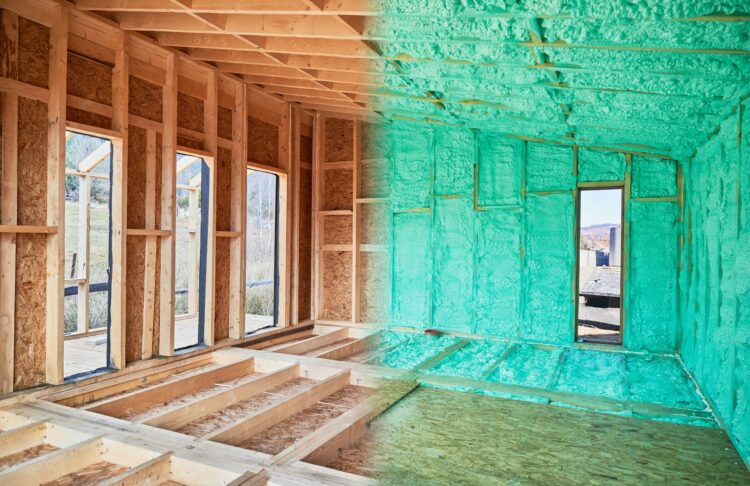
This is where spray foam insulation for older homes in Buffalo can make a big difference. It helps solve issues that come from aging materials, temperature swings, and old construction gaps. By sealing small openings and stopping heat from leaking out, spray foam turns those chilly spaces into warmer, cozier areas, especially helpful during the long stretch of February winter.
We install both open cell and closed cell spray foam for residential, commercial, and industrial properties throughout Western New York, matching the foam type to each building’s wall depth and moisture concerns.
Common Challenges in Older Buffalo Homes
Around Buffalo, Tonawanda, and throughout Niagara County, many homes were built before the 1960s, often with stone basements, masonry walls, and little to no wall insulation. These homes can be beautiful but were not built with energy efficiency in mind.
A few common issues show up in homes of this age:
- Gaps around the rim joists, where the house framing meets the foundation, often let in freezing air
- Original construction lacks proper insulation in walls, crawlspaces, and attics
- Cold air moves freely between floors when the house is not sealed well
Older homes in this area also deal with ice. Buffalo winters drag on with snow piling up, temperatures below freezing, and lake winds that push cold into every unsealed edge. This leads to condensation inside walls and sometimes a musty smell that does not go away easily.
Heated air from the furnace gets pulled through cracks and poorly insulated walls, working harder than it should to keep things warm.
Once the cold is in, it affects the feel of every room, and over time, it starts to wear down comfort levels across the entire house.
How Spray Foam Insulation Solves These Problems
The benefit of spray foam is how it stops air leaks by expanding right into the cracks where cold air tries to find a way in. Even the tiny gaps that are not visible to the eye can be sealed once the foam is applied and begins to expand. That matters in older homes more than newer ones, since aging materials shift and settle over decades, leaving behind new air paths year after year.
Here is how spray foam insulation really helps in these homes:
- Fills gaps quickly, even in walls made from stone, brick, or older wood-frame build-outs
- Seals off draft points in areas where other insulation cannot reach well
- Helps reduce moisture buildup by keeping warm air from condensing on cold surfaces
Because spray foam both insulates and air-seals at the same time, it performs double duty. It stops cold air from getting in and keeps heated air where it belongs. There is less energy waste in winter, and when things warm up, the home stays cooler too. That balance across seasons is something older homes usually struggle with, until a proper seal is in place.
Spray foam insulation can last for generations when installed properly, meaning you will not have to revisit insulation upgrades year after year. As a result, these homes become more energy efficient as time goes on, and the investment in modern insulation pays off both short-term and long-term.
Additionally, because spray foam forms an effective air barrier, it can help prevent outdoor allergens and pollutants from entering the indoor air space, adding to the health and comfort of residents. This further benefits occupants during Buffalo’s allergy seasons or when weather drives dust and pollen indoors.
Where Spray Foam Works Best in Vintage Structures
Every older home has its quirks, but there are some spots that almost always benefit from spray foam. These are the places where we see the biggest changes in comfort once they are insulated.
Here are a few areas that make the most impact:
- Rim joists: These are common leak points where the upper wall meets the basement or crawlspace edge
- Crawlspaces and basements: These often let in cold from the ground and are tricky to insulate with standard materials
- Attics with sloped ceilings or unfinished voids: Heat often escapes out the top when no barrier blocks it
In many older homes, we can apply foam without changing the structure. That is important when you are trying to keep original materials in place or avoid major renovation. We can target behind plaster or paneling too so everything stays intact on the surface.
For finished wall cavities in many pre-1960 homes with no existing insulation, our Retrofit Foam uses a slowed expansion that lets the open cell foam flow through closed cavities before curing, which allows upgrades with minimal disturbance to walls.
Spray foam is especially useful in Buffalo’s historic neighborhoods where aesthetics matter as much as comfort. Insulating from the inside preserves the exterior and interior details that give homes their character. Homeowners do not have to worry about damaged trim, flooring, or intricate antique surfaces, because spray foam can be injected or sprayed in ways that work with the house rather than against it. This makes spray foam a strong solution for those who want to preserve their home’s original look while upgrading its performance.
The foam adapts to the home, not the other way around.
Why Winter is the Right Time to Plan Insulation Upgrades
Cold weather makes air leaks a lot easier to feel. When temperatures drop into the teens or single digits, that basement draft or cold floor suddenly becomes much more noticeable. Winter conditions help us identify where the airflow problems really are, and that allows for smarter decisions about where insulation is needed most.
Planning updates during February gives time to:
- Spot drafts while they are active, making it easier to find trouble zones
- Get scheduled before spring and summer renovation demand begins
- Lock in insulation upgrades that bring year-round comfort, not just quick winter fixes
By taking action in the tail end of winter, homes are ready by the time the seasons change. As the spring thaw begins, homes stay drier and keep outdoor humidity from creeping in. Later, when Buffalo summers heat up and humidity rises, a properly insulated house keeps things more manageable.
Planning insulation work at this time also allows you to observe how heat moves through your home on the coldest mornings, and adjust insulation strategies accordingly. If drafts make certain rooms less comfortable than others, or you hear wind whistling behind the walls, winter’s challenges can reveal the spots that need the most attention.
Getting the upgrades in place before the next cold season starts is a practical move, and it lets homes “settle in” before facing another round of storms, lake winds, and snow.
A Smart Move Toward Warmer Living
Buffalo winters test every house, but older ones feel it more. Spray foam insulation for older homes in Buffalo can really change how those drafty rooms feel day-to-day. Where there were once cold spots and temperature swings, surfaces stay warmer and air stops flowing where it should not.
When we seal and insulate the weak points, the whole structure holds heat better. That means less strain on the furnace, steadier warmth in every room, and less noise from wind pushing through walls. When old homes get the right updates in the right places, they hold steady through all kinds of weather, cold February mornings included.
Homes in Buffalo, Tonawanda, or Niagara County that still struggle with drafts or uneven heat during winter may have insulation that is not doing enough. Many older homes were built without the materials we use today to maintain steady indoor temperatures.
We have seen how one targeted upgrade can make rooms feel significantly more comfortable throughout the seasons. You may be curious about how spray foam insulation for older homes in Buffalo could work in your space and enhance your home’s comfort. Reach out to Energsmart to get the conversation started.