
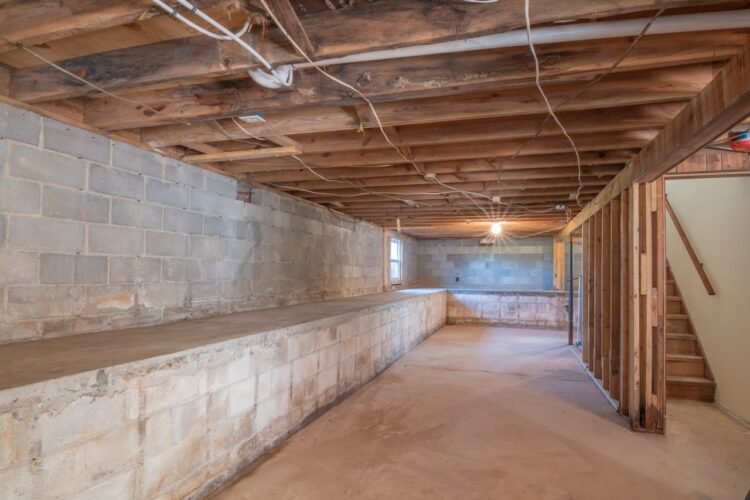
When winter kicks in across Buffalo and the snow piles up outside, the cold doesn’t always stay outdoors. For many of us, it sneaks straight into the basement. That biting chill in the air, the damp feeling along the walls, or the way your feet stay cold even with socks on, those are signs the basement isn’t holding its heat. In older houses, especially around Western New York, this happens more than you’d think.
Basement insulation in Buffalo, NY can help solve this problem. By sealing off leaks and properly insulating the right areas, we can stop freezing air from creeping inside. Warmth stays where it should, and the basement becomes a much more comfortable part of the house. Fixing freezing walls isn’t just about adding warmth, though. It starts with blocking the cold from getting in at all.
Why Basement Walls Freeze in Buffalo
When temperatures stay below freezing for weeks at a time, it’s no surprise that basement walls start to feel like blocks of ice. In homes built decades ago, the materials used weren’t always meant to handle today’s long, bitter winters. Buffalo and the surrounding areas get hit by cold lake winds, deep snow, and sudden temperature drops, all of which put constant stress on basement walls.
The cold gets in because of a few things. First, air leaks are common in older homes. Small openings near the top of the basement, around pipes, or along the foundation edges can bring in cold air. Wind finds these weak points and drives freezing air inside. Second, basements often sit below grade, which means they’re surrounded by cold soil that draws heat out unless the walls are insulated well. And without proper sealing or insulation, the cold just keeps coming.
That doesn’t only make your basement unpleasant. It can also mean frozen pipes, condensation, and strange smells creeping through the house. Once the cold takes hold down there, it tends to spread through the rest of the home, especially if it’s being pulled in around rims or floor framing that leads upstairs.
Spotting the Signs of Cold and Drafty Basement Walls
Some signs are hard to miss. The chill in the air, frost lines at the edges of the wall, or buckets used to catch dripping moisture can all point to a deeper problem. But other signs are less obvious and happen slowly over time.
Here are a few things you might notice when basement walls are exposed to winter’s cold for too long:
- Cold air pooling in corners or low spots
- Damp patches on basement walls, especially along the bottom
- Musty or stale smells that don’t go away
- Floors above the basement feeling colder than usual
- Condensation forming on metal objects or pipes
Even narrow cracks or old joints in concrete can let in cold air. Once that air seeps through, it works its way up. You may not always feel it directly in the basement, but it affects comfort in the whole house. And if the house is older and settled, those gaps can be wider than they look.
Steps That Help Keep the Cold Out
Fixing freezing basement walls takes more than just layering on insulation. The first step is figuring out where the cold air is getting in. Before doing any insulating, it’s important to seal all the gaps around the top edge of the basement (called rim joists) and any cracks in the foundation. Without sealing those spaces, insulation can’t do its job fully.
Once the air leaks are sealed, then insulation can be added to block heat from escaping and cold from getting in. Different wall types need different materials, and we’ve worked in basements made from stone, block, and poured concrete.
In many Buffalo basements, that means using spray foam at the basement rims, and closed cell foam on below grade walls where moisture is a concern. What works in a 1920s home in Tonawanda won’t always be the best choice for a split-level in Niagara County.
Here’s how we usually approach this type of work:
- Seal rim joists and connection points near framing
- Fill in visible cracks with air-tight material
- Add insulation specifically chosen for the wall surface type
- Avoid trapping moisture which leads to mold or drywall damage
By combining sealing and insulating, the space feels warmer and drier, and you might even stop hearing the wind whistle past certain areas. Once all that air movement is under control, the difference is hard to miss.
Sometimes, the steps taken to insulate a basement need revisiting depending on home age and structure. For example, in older Buffalo homes with stone foundations, moisture and drafts enter differently than in newer concrete block homes.
Solutions must be tailored, and sometimes previous insulation attempts miss spots or use materials that aren’t suited for the environment. Continuous evaluation and an understanding of the building’s design help maintain warmth effectively, ensuring no part is overlooked.
Why Professional Help Makes a Difference
Every basement is different. From ceiling height to wall material to moisture levels, there are a lot of moving parts when it comes to sealing and insulating properly. We’ve seen what happens when shortcuts are taken or the wrong product is used, it doesn’t hold up, and that bitter Buffalo air finds its way back inside.
We don’t just match materials to walls, we look at the whole picture. What’s the condition of the home’s foundation? Are there old pipes that need to be worked around? Do conditions below the frost line need to be addressed?
These are the kinds of details that change how a job is done, and they’re easy to overlook without the right experience. Since 2004, we have insulated thousands of homes and buildings across Western New York, so we know how quickly small basement issues can turn into bigger comfort problems.
In addition, working with professional insulation contractors means having experts who follow the building codes specific to Buffalo and Western New York. This ensures that the methods and materials used in your basement meet established safety and durability standards.
Proper insulation not only enhances energy efficiency but also contributes to a healthier indoor environment by reducing the possibility of mold growth due to condensation or moisture problems that often occur in unsealed spaces.
Insulating a basement is more involved than people often think. It’s not just putting something on the wall. It’s about stopping the air, holding in the warmth, and doing it all in a way that works with Buffalo’s weather, not against it. When it’s done right, you feel the results every time you step downstairs and every time your heating system doesn’t have to work overtime.
Another benefit of professional installation is the custom fit for your space. Contractors evaluate challenges unique to your home, such as irregular walls, obstructions, or hard-to-reach corners. These issues, if not addressed, can compromise overall insulation performance. Professionals have the tools and experience needed to work efficiently, saving you time and preventing mistakes that might leave cold spots behind.
A Warmer Basement Starts with the Right Plan
Cold basement walls are a common problem in Buffalo once winter sets in. But with the right steps, sealing air leaks, choosing the right insulation, and addressing the specific needs of the space, you can hold the warmth where it belongs. Each of those parts matters, and together they make all the difference.
It’s also important to perform periodic checks of your basement, look for new cracks, damp spots, and areas where insulation may have shifted or become damaged over time. Ongoing maintenance keeps cold air from sneaking back in and preserves the comfort improvements you’ve made. Even things like rearranging storage or making minor repairs to pipes and window wells can help keep your basement in better shape during harsh weather.
Once basement insulation is added the right way, the whole house starts to feel better. That lingering chill begins to fade. The air feels calm and steady. And the harsh edge of winter doesn’t creep through the floors as easily. When a basement holds its heat, the rest of winter just feels easier to manage.
At Energsmart, we understand how tough Buffalo winters can be on your home, especially when cold air finds its way into your basement. A proper solution starts with sealing out drafts and choosing insulation that works with the conditions we face across Western New York. If you’re noticing signs like cold floors or damp basement walls, it may be time to take a closer look. Learn how basement insulation in Buffalo, NY, can help you keep the warmth in and the winter air out. Call us today to talk through the next steps.