
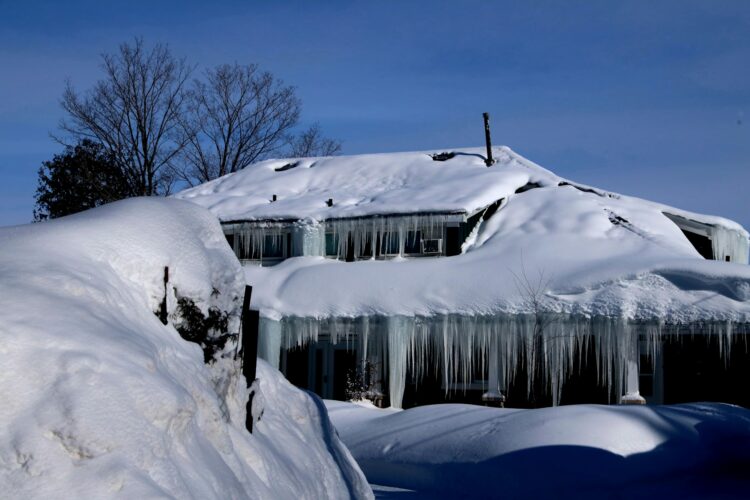
Ice dams are a common winter problem in Buffalo, especially when heavy snow sits on the roof for days or even weeks. Snow melts during the day when warm air rises into the attic, then freezes again overnight near the roof’s edge. That cycle repeats itself until thick ridges of ice form along the gutters. These ice dams block melting snow from draining off the roof, which can eventually push water back under the shingles and into the house.
That kind of damage is something most homeowners want to avoid. One of the best ways to stop it is by limiting how much heat escapes into the attic in the first place. Since 2004, we have been insulating homes and buildings across Western New York with spray foam and cellulose solutions that are built for this kind of winter weather.
When insulation and air sealing work together, they help maintain a more even roof temperature and shut off those hidden escape points for warm air. That’s especially important when thinking about the best insulation for cold climates in Buffalo, NY, where homes face weeks of snow, freezing wind, and deep winter chill.
What Causes Roof Ice Dams in Cold Climates
The main cause of a roof ice dam is heat loss from inside the home. Warm air rises and slips into the attic through small cracks and gaps in the ceiling, then heats up the underside of the roof. That melts the snow sitting right on top.
The melted snow flows down the roof until it hits the colder edges near the gutters, where it refreezes. As more snow melts and runs down, the cycle continues. Eventually, thick ridges of ice pile up, trapping more water behind them.
Trouble spots tend to include:
- Attic ceilings with poor or missing insulation
- Gaps around vents, can lights, plumbing stacks, and chimneys
- Unsealed attic hatches or pull-down stairs
In places like Buffalo, Tonawanda, and Niagara County, this problem sticks around for months. The long winter season brings repeated freeze and thaw cycles that give ice dams time to grow. This can result in immense pressure and weight on the roof, and the risk of leaks increases whenever temperatures climb or more snow arrives. Over time, these repeated cycles take a toll on the roof’s integrity and can speed up wear on both exterior and interior surfaces.
Why Air Leaks Make Ice Dams Worse
Air leaks are sneaky. You might not feel them, but they quietly allow warm indoor air to reach the attic. That’s a big part of the roof ice problem.
If warm air is moving freely into the attic, the roof deck heats up, even if the outside air feels icy. When that warm patch under the roof melts snow while everything around it stays frozen, it sets off the melting and refreezing cycle ice dams depend on.
Some of the most common places we find leaks include:
- Around light fixtures installed in ceilings that touch the attic space
- Baseboards in second-story rooms that back up against unconditioned areas
- Chimneys and ductwork that weren’t sealed properly when installed
Without proper air sealing, even the best attic insulation will struggle to hold the line. That’s why stopping air leaks is just as important as adding insulation when it comes to keeping ice dams off the roof.
Warm air escaping into the attic not only disrupts the roof’s temperature but can also affect indoor comfort and energy efficiency. In older homes, unaddressed leaks steadily worsen and become harder to identify during milder weather, making proactive insulation and air sealing more important when winter sets in.
How Insulation Helps Prevent Ice Dams
Good insulation creates a barrier between warm living spaces and the cold air outside. The better that barrier works, the less heat seeps into the attic. That means the roof stays at a more consistent temperature, which helps prevent snow from melting unevenly.
For the best insulation for cold climates in Buffalo, NY, dense materials like spray foam or well-installed cellulose can go a long way. These materials both insulate and help prevent airflow between drafty areas and warm zones in the house.
Our foam insulation products are more efficient than traditional fiberglass, which helps cut down the amount of heat that can escape into the attic in the first place. We install both open and closed cell spray foam, which act as air barriers when properly applied so heated indoor air has fewer chances to reach the roof deck.
Here’s what we focus on in cold regions:
- Making sure attic insulation covers the entire attic floor evenly
- Ensuring insulation reaches the recommended depth for the region
- Sealing before insulating so warm air has fewer paths into the attic
When insulation is combined with smart air sealing, it helps the roof stay closer to outdoor temperatures so snow melts more gradually and draining water flows freely off the roofline.
A consistent blanket of insulation makes a noticeable difference for homeowners, especially during the coldest months. Along with slower ice dam formation, efficient insulation helps stabilize indoor temperatures, reduce drafts, and lighten the workload on your heating system. These improvements can lower utility bills throughout the season and help keep rooms more comfortable when temperatures drop outside.
Best Places to Add Air Sealing and Insulation
Every home is different, but winter tends to reveal the same trouble spots again and again. When we’re looking for places to strengthen insulation or tighten air leaks, a few areas show the most benefit.
Here’s where our attention usually goes:
- Attics, especially around the edges near eaves and over ceiling features
- Rim joists where the floor and wall framing meet near the basement
- Knee walls and crawlspaces with unsealed gaps or missing insulation
- Unused chimneys, attic vents, or old plumbing penetrations
These areas can have gaps from old construction methods, worn-out materials, or just years of shifting and settling. By sealing and insulating them, we can help turn scattered warm spots into a more balanced envelope. That can go a long way in keeping the roof cold and lowering the risk of ice buildup outside.
Identifying these hot spots and addressing them helps prevent localized ice patches from developing and minimizes the need for emergency roof repairs during the harshest part of winter. Insulating and sealing trouble areas also preserves the structure of your home, protecting it from the hidden moisture damage that ice dams can eventually cause.
Smart Timing for Winter Weather Upgrades
Homeowners often notice problems with heat loss or ice buildup around February. It’s deep into winter, with no sign of the snow stopping, and trouble spots like long icicles or cold upstairs bedrooms become hard to ignore.
February can be the right time to start planning upgrades. Here’s why:
- Winter air makes it easier to feel drafts and spot cold zones
- Ice patterns on the roof help show where insulation is thin
- There’s still time to schedule improvements before spring rain and melting snow cause more water flow problems
Getting ahead of the melting season means insulation and sealing work will have a stronger impact when the weather warms up. And the improvements put homes in a better place to handle both hot summers and the next round of fall cold without guessing again about where the temperature swings are coming from.
Proactively upgrading insulation and air sealing isn’t just smart for the current season, it’s a long-term investment for future winters. Homeowners who address these issues early avoid recurring headaches year after year, finding it easier to maintain a comfortable, safe environment indoors.
Keep Ice Dams and Cold Drafts Out
Ice dams are a sign of heat loss. When warm air leaks into the attic and brings roof temperatures above freezing, it sets off a chain reaction that ends with thick ice hanging off the gutters. Over time, that ice can lead to water damage, higher heat bills, and an uncomfortable home through the worst part of winter.
To stop the cycle, insulation and air sealing have to work together. Sealed gaps keep heat where it belongs, and consistent insulation helps hold that warmth with less effort from the furnace. When everything is working together, the attic stays cold, the snow melts naturally, and the risk of ice blockages goes down.
Experiencing ice buildup or drafts during these long Buffalo winters can signal that your attic is losing valuable heat. Homes across Buffalo, Tonawanda, and Niagara County face similar challenges every year, and the right upgrades can make all the difference.
At Energsmart, we know that sealing leaks and improving insulation can create a sturdier barrier against harsh weather. Explore what goes into choosing the best insulation for cold climates in Buffalo, NY and let us help make your winter more comfortable.