
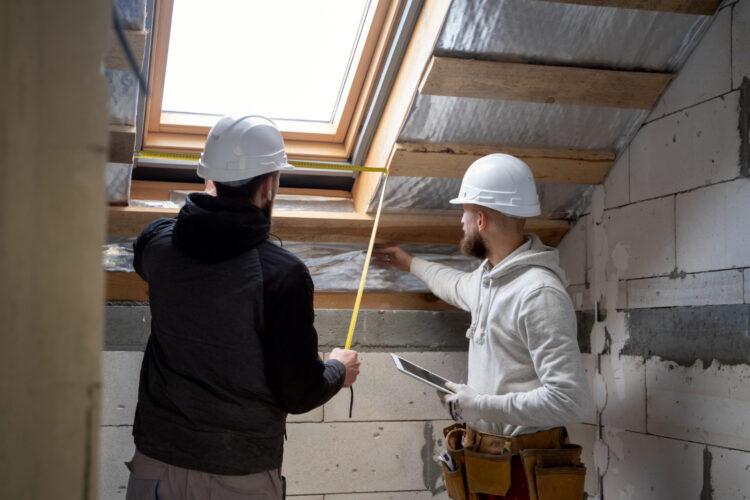
In Buffalo, New York, we know spring doesn’t always mean sunshine. Snow can melt one day, then flurries return the next. It’s around this time that older homes start reminding us where they leak heat. Many houses in Buffalo, Tonawanda, and surrounding areas were built long before wall insulation became common. That’s where dense-pack cellulose comes in.
We work with homeowners who want to boost comfort and improve how their homes handle changing seasons, without gutting drywall. It’s why dense-pack cellulose remains a go-to method used by cellulose insulation contractors in Buffalo, NY for retrofitting old walls. It fills gaps cleanly and keeps warmth where it belongs, without a big construction mess.
What Is Dense-Pack Cellulose and How Does It Work
Cellulose insulation is made from recycled paper treated to resist fire, mold, and insects, and the product we use is made up almost entirely of recycled newspapers. It’s shredded into a soft, fluffy texture that compacts well when installed with air pressure. What sets the dense-pack method apart is how completely it fills closed wall cavities, even those with odd shapes or tight corners.
Instead of rolling out batts or using foam panels, we blow the cellulose directly into the wall using a hose and machine. The material settles into every nook, pressing tightly against all four sides of the cavity to block drafts and slow heat loss. Once it’s in place, it doesn’t settle much over time. That tight fit is what makes dense-pack different from older fill methods, which often left small air pockets where cold could sneak through.
Older insulation methods, like loose fiberglass or thin batts, often left behind gaps, especially in older homes with irregular stud spacing or shifting framing. Dense-pack cellulose, when installed by professionals, packs every inch without forcing you to pull down existing walls.
Cellulose is considered “green” because it’s largely recycled, but homeowners mostly notice the comfort it brings. The material’s air-blocking qualities, when tightly installed, help reduce dust migration and temperature swings throughout a home. As the seasons change quickly in Buffalo, this means living spaces stay more stable and drafts don’t sneak in through the walls as easily.
Signs Your Walls Might Need Insulation
Not all insulation problems are easy to spot, but there are a few common signs that suggest your walls could use an upgrade, especially as temperatures rise and fall during early spring. If you’ve noticed any of the following, your wall insulation might not be holding up:
- Rooms that always feel colder than the rest of the house
- Cold air moving through outlets or along baseboards
- Higher heating bills during shoulder seasons, when the furnace still kicks on often
- Noise traveling easily through interior walls
In older houses around Western New York, we’ve seen how many of these symptoms show up during seasonal shifts. By March and April, homes are still trying to stay warm while the snow melts outside. If insulation was never added or has settled over time, this in-between weather often makes drafts more obvious. That’s what makes spring a good time to consider upgrades, before the real summer heat sets in.
Another subtle sign is uneven dust or pollen movement inside. Because dense-pack cellulose blocks airflow between outside and in, it can help keep out pollen and dust that might otherwise filter into rooms along with cold air. If you regularly dust certain areas or sense musty smells along baseboards, the walls might not be sealed as well as they could be.
Why Dense-Pack Works Well for Retrofits
One of the biggest advantages of dense-pack cellulose is that it works inside finished walls. That means we don’t have to tear out drywall to make the upgrade. Instead, we add insulation from the outside (behind siding) or by creating small access holes indoors.
This method works especially well in retrofits for three reasons:
- It fills the entire space tightly, stopping airflow that carries heat in or out
- It slows down heat transfer, helping rooms feel more even through changing temps
- It reduces the risk of moisture problems, since packed insulation helps avoid condensation
In existing homes where walls have only a small amount of old fiberglass, especially those built in the 1950s through the 1970s, we often use dense-pack cellulose to calm air currents in the cavity and add meaningful R-value. Because spring in Buffalo often means damp weather and quick temperature swings, these benefits matter. Walls that stay warmer don’t gather indoor condensation as easily. That helps protect the rest of the wall structure from long-term damage. When dense-pack is installed by someone experienced, it works safely alongside the building’s airflow and vapor control.
Additionally, this retrofit approach is great for preserving the unique charm of older homes while gaining the efficiency of a modern build. You can keep trim, hardwood floors, and original walls intact, which is important to homeowners who value historic details but don’t want to contend with chilly spots and fluctuating temperatures every season.
What the Process Looks Like
Every house shows its age in different ways, so the first step is always to inspect the wall structure. That means finding out what materials the walls are made from, how the siding is attached, and whether any insulation exists already.
Once that’s clear, we follow a simple but careful process:
- We drill small holes between wall studs, usually near the top of the cavity.
- A hose is inserted to blow in cellulose, packed tightly through air pressure.
- When the cavity is full, the hole is sealed and matched to the original surface.
Cellulose insulation contractors in Buffalo, NY often take advantage of milder spring conditions to schedule this kind of work. There’s less humidity than the summer months, and outside siding is easier to work with during mild weather. In most homes, areas can be done in sections, and cleanup stays minimal with proper prep.
If siding is old and original, sometimes a contractor will work from the interior, using a careful patch and paint process to finish. Each job is a little different, especially in older homes with multiple wall materials or plaster over lath. The process is intentionally designed to keep disruption to a minimum while maximizing the amount of insulation delivered to the wall cavity.
Sometimes, in homes with additions or renovations from many decades past, we find several different types of old insulation. The dense-pack process can work over or around much of this, using air pressure to tightly fill gaps, ensuring no voids or air channels are left behind. That way, the finished wall has a uniform protective layer.
A Better Way to Keep Warm and Comfortable
Dense-pack cellulose offers a smart solution for retrofitting walls without the mess of a major remodel. It’s especially helpful in older Buffalo homes that still rely on thin or missing wall insulation to keep the cold out. Because it fills every corner of the cavity, it holds heat longer and blocks the air movement that often leads to chilly drafts.
As April arrives and spring stretches out across Western New York, those early temperature swings are where comfort problems show up the most. With dense-pack cellulose, you don’t have to tear your walls apart to fix those issues. It works with what you already have and brings steady comfort back to the home in a way that lasts. By focusing on the walls now, right before cooling season starts, your home can stay more balanced, through the rest of the spring and into the next round of weather.
When your walls fail to hold warmth this spring, it may be time to explore a better solution. Our team has helped countless homeowners upgrade comfort without disturbing original plaster or woodwork, especially in older homes that lack proper insulation. As experienced cellulose insulation contractors in Buffalo, NY, we know how to retrofit walls efficiently while preserving your home’s unique character. Let’s get your space ready for the changing seasons, contact Energsmart today to schedule an inspection.