
Spring in Buffalo can be unpredictable. One day feels like summer, and the next brings a chill that seeps through older walls. It’s the time of year when many homeowners start thinking about indoor comfort. With the worst of winter behind us and hotter days on the horizon, now is a smart time to take stock of how energy is being used or lost inside the home.
Many houses in Buffalo, Tonawanda, and throughout Niagara County were built before home energy use was top of mind. If you have lived through a few seasons in one of them, you have likely felt the impact. That makes early spring one of the best times to look into energy efficiency upgrades in Buffalo, NY. These improvements are not only about saving energy. They are about keeping homes more comfortable all year long, without needing major construction work.
What Energy Efficiency Means for Older Homes
When we say a home is energy efficient, we usually mean it does a good job keeping the heat in during cold months and holding the cool air during the summer. It keeps utility use steady and indoor temperatures more balanced across rooms. That might sound simple, but in homes built before better insulation was common, comfort can be hard to maintain.
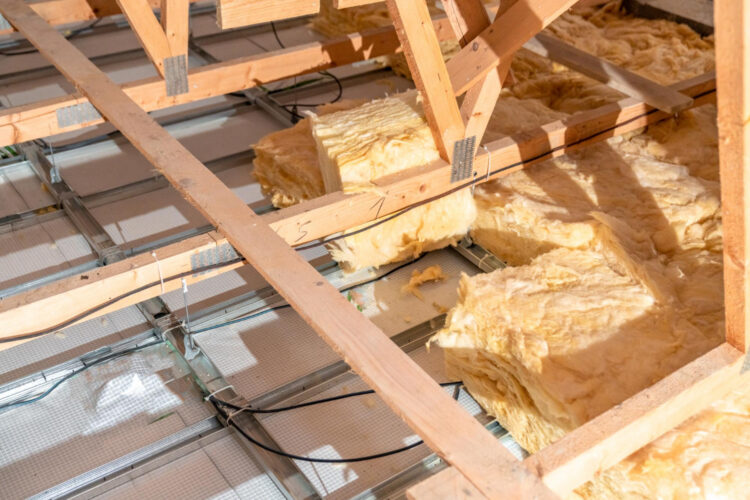
Many older houses in Buffalo have little or no insulation in the walls. Others may be missing insulation in key areas, especially attics and crawl spaces. In houses from the early 1900s, wall cavities were often left empty. That allows heat to escape through the walls in winter and lets summer heat seep inside when it is warm out. We install both spray foam and cellulose insulation in existing homes throughout Western New York, so we see every day how missing wall and attic insulation can affect both comfort and energy use.
Common challenges in Western New York homes include:
- Drafts moving through cracks or old framing
- Temperature swings between rooms, especially upstairs
- Older HVAC systems working harder to heat and cool
- Uneven comfort during wind, rain, or sudden cold snaps
Energy upgrades help these homes hold warmth longer in colder months and slow heat from entering during warmer ones. That helps make spring more comfortable and summer more manageable.
Where Buffalo Homes Typically Lose Energy
Even homes that feel fine most of the year can quietly lose energy in a few key places. In Buffalo’s changing weather, it shows up as chilly corners, loud furnaces that keep kicking on, or attic rooms that never really warm up.
Some of the most common areas where energy slips out include:
- Attics or rooflines without enough insulation
- Wall cavities, especially in older framing
- Basements and rim joists that are not sealed properly
- Gaps around windows, doors, or exterior outlets
When insulation is missing or too thin, even a well-sealed door is not enough. Heat always moves from warm to cool. That means your furnace ends up heating the outdoors if there is nothing inside the walls to hold it back. You might feel this as a cold upstairs bedroom or notice that your main living space is always several degrees off from the thermostat.
Insulation plays a quiet but powerful role here. It slows down the flow of heat, keeps your home more stable from room to room, and helps everything inside the house stay in balance, no matter what’s going on outside.
Upgrade Options That Make a Difference
If you imagine major construction when you hear “efficiency upgrade,” it does not have to be that way. Many homes in the Buffalo area can benefit from smaller changes that do a better job at holding comfort inside.
Here are a few options that often make the biggest difference:
- Dense-packed cellulose in walls, which creates a tight thermal barrier
- Spray foam in the attic or basement to stop airflow and add insulation
- Sealing around attic hatches, rim joists, and sill plates to close off gaps
Many of these upgrades can be done without removing drywall or making large repairs. Sometimes, walls can be insulated from the outside or through small access points. The goal is to reduce unwanted airflow and keep heat where it belongs, either inside during spring nights or outside during summer days. Our foam products are typically 30 to 50 percent more efficient than standard fiberglass, which helps cut heating and cooling costs while improving comfort.
These fixes do not just work in cold months. They help keep interiors cool and more comfortable through July and August too. It’s a long-term solution that protects against both cold and heat. Additionally, improvements in insulation can help stabilize temperatures even as weather outside the home changes abruptly, making the living space more pleasant throughout the year. That means when Buffalo faces a sudden spring rainstorm or a burst of unexpected heat, a well-insulated home maintains its comfort and avoids the sudden spikes or drops in temperature that can make interiors uncomfortable.
If you are concerned about noise from the street or wind, added insulation can also soften exterior sounds. Spray foam and dense-packed cellulose offer soundproofing benefits, making rooms quieter even during high winds and thunderstorms. This adds yet another layer of comfort and contributes to the overall quality of life inside the home. Homeowners might also notice cleaner indoor air, since air leaks that previously carried in dust and pollen are dramatically reduced after upgrades. This simple improvement makes a difference for allergies and air quality year-round.
The Right Time to Plan for Energy Upgrades
Early spring in Buffalo tends to bring a mix of damp weather, rapid temperature shifts, and some final cold days. That combination can make indoor comfort unpredictable. But it is also the right time to start planning improvements, before the hot days kick in for good.
Weather matters when updating insulation. Working conditions are easier in milder months like April. Attics and wall cavities are easier to access, and exterior siding will not be frozen or rain-soaked as it often is in winter.
Taking action now makes it more likely those upstairs rooms will stay cooler this summer. It also gives your home a jump start for next heating season, before fall rolls in again.
If you have noticed any of the following lately, spring is a good time to take a closer look:
- Rooms that feel colder or hotter than the rest
- Unusual drafts near electrical outlets or floorboards
- A heating system that runs longer than expected
- Attic spaces that stay too warm or cold, no matter the season
Planning ahead brings peace of mind. It means you are ready for the next weather swing rather than reacting after something becomes uncomfortable. Plus, contractors often have more open schedules in spring, which can result in quicker project completion and less fuss when setting appointments for upgrades. This season also gives you time to observe how your home responds to early changes, so you can make further adjustments as needed before peak summer.
Why Energy Upgrades Matter for Long-Term Comfort
Energy upgrades are about more than saving a few bucks on your next bill. They are about making a home feel more reliable, more consistent, and more comfortable to live in, season after season.
Small improvements, when done right, can lead to bigger results over time. They help your home handle Buffalo’s changing temperatures without overworking your heating or cooling system. And they create steadier indoor comfort for everyone living inside.
Energy efficiency upgrades do not have to be complex or overwhelming. When done before the season changes, they offer the best chance to enjoy that investment right away. Spring may still bring a few cold days, but with the right upgrades, your home can feel ready for all the seasons that follow.
At Energsmart, we know how much the weather swings in Buffalo can affect comfort at home. Planning ahead this spring gives you the opportunity to assess where air might be leaking and how insulation can help. Our work focuses on simple improvements that make rooms more comfortable without tearing into walls or ceilings, using spray foam and cellulose solutions that have been tested in Western New York homes for years. You can start by looking into energy efficiency upgrades in Buffalo, NY that fit your home’s age and layout. Get in touch with us to talk about what’s possible for your space.