
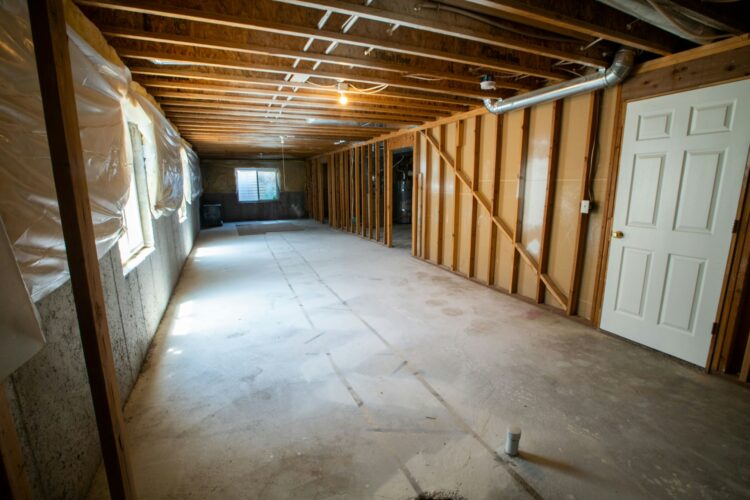
Crawl spaces might not get much attention, but they play a big role in how a home holds up through the seasons. In Buffalo, where the weather swings from frozen ground to wet slush fast, crawl spaces can quietly collect moisture that does not always show up right away. That damp air creeps in during late winter, just before the snow melts fully, and by the time anyone notices, damage is already hiding under the floor.
That is why crawl space insulation in Buffalo, NY matters. It blocks out the wet and cold before they have a chance to settle in. We regularly use closed cell spray foam on crawl space walls and other moisture-prone areas because it acts as a vapor barrier and helps control damp conditions in our climate. These hidden spaces under homes can work for or against you in a place like Western New York, where weather rarely stays mild for long.
Why Moisture Builds Up Under Buffalo Homes
This time of year, the ground is cold and often soaked from leftover snow and ice. But inside the home, things are warmer, at least that is how it feels from the living room. That temperature difference makes crawl spaces a prime spot for condensation.
Several things happen that encourage moisture to collect under older homes:
- Warm indoor air sits directly above crawl spaces where cold air gathers, and as the two mix, condensation forms
- Melting snow sneaks in near the edges of the foundation, especially when ground grading slopes toward the house
- Older homes across Western New York often lack vapor barriers or proper drainage, meaning moisture builds up with nowhere to go
These conditions do not just show up during major storms. Quiet snowmelt and light rain in late February or early March can be enough to keep the crawl space damp for days, even if the rest of the home feels dry.
Common Signs You Are Missing a Moisture Problem
Homeowners do not always realize there is dampness brewing under the floor. Most of the time, the crawl space is not something people check every week. Instead, small signs inside the house tell the story, if you know what to listen for.
Look for signs like:
- Musty smells near vents low on the walls or along baseboards
- Wood floors that feel slightly soft or show minor warping, especially near exterior walls
- Higher-than-usual indoor humidity, even when windows are closed and the heat is running
These symptoms might not seem like much at first, but they often point to excess moisture collecting right below your feet. In homes without proper insulation in the crawl space, those signs tend to repeat every spring, and slowly get worse.
How Crawl Space Insulation Helps Keep Moisture Out
Crawl space insulation does not just help with temperature. It creates a layer that blocks outside air and helps keep conditions stable underneath the house. In Buffalo, NY, that kind of control can make a big difference once winter starts winding down and snow runoff begins.
Here is how insulation works to reduce moisture-related trouble:
- It prevents outside air from entering the crawl space and mixing with indoor heat, which helps avoid condensation
- Proper insulation keeps surfaces from cooling off too much and attracting water vapor in the air
- Well-installed crawl space insulation in Buffalo, NY takes local weather and soil conditions into account, which makes it more dependable during freeze-thaw cycles
In damp spaces like crawl space walls, closed cell spray foam is often the preferred choice because it serves as both insulation and a vapor barrier, helping keep moisture from moving through the foundation into living areas. By controlling the temperature and sealing trouble spots, insulation slows down the kind of moisture buildup that can lead to mold or mildew.
Areas Homeowners Often Overlook During Inspection
Not all problem spots are easy to see. Even when a homeowner peeks into the crawl space, the issues most likely to let in moisture might not be right in front of them. It is the quiet spots along edges and seams that tend to cause the biggest headaches.
Check these common trouble spots closely:
- Gaps around floor joists and sill plates on the edge of the crawl space
- Access panels or vent openings that look secure but do not fully close or seal
- Water paths that tuck against the foundation and pool near walls during snowmelt
These problem areas might not leak water the way a roof would, but they still let in moisture. Over time, even small gaps can start breaking down the materials built to last.
When Moisture Problems Lead to Bigger Trouble
Moisture is sneaky. It does not make a big splash until something smells off or feels soft under your feet. And by then, it usually means bigger problems have been forming for a while.
Unwanted dampness in the crawl space can cause the following:
- Mold spores that spread upward through floor vents or seams between walls
- Rotting insulation or wood framing that starts to crumble or dip under pressure
- Insects or pests that find the space a comfortable place to nest
The problem is often seasonal. Snow melts gradually, and early spring rain keeps feeding the leak. Since the crawl space is not always visible or checked often, it is easy for damage to go unnoticed until it spreads.
Why a Dry Crawl Space Matters All Year
Right now, March still brings chilly air at night and melting snow during the day. That mix keeps the underside of many Western New York homes in a constant state of damp. Once snow turns to rain, the crawl space becomes more vulnerable.
A dry crawl space now does more than help for spring. It lays the groundwork for comfort throughout the rest of the year. Rooms above do not stay damp, and heating or cooling systems do not have to work as hard to balance the indoor air. The space underfoot might be hidden, but it still affects everything from air quality to floor stability.
Fixing moisture early protects the whole house from small issues that tend to snowball when ignored. And in places like Buffalo, Tonawanda, or anywhere in Niagara County, late winter is usually not the end of harsh weather. Catching those crawl space issues now can keep the rest of the season a lot more manageable.
Homes in Buffalo, Tonawanda, and nearby areas showing signs of damp floors may need a closer look at their crawl spaces. Moisture often builds up unnoticed until small issues grow into bigger problems when spring arrives. We add the right protection to help prevent damage before it worsens. To see how we handle projects like crawl space insulation in Buffalo, NY, contact Energsmart today.