
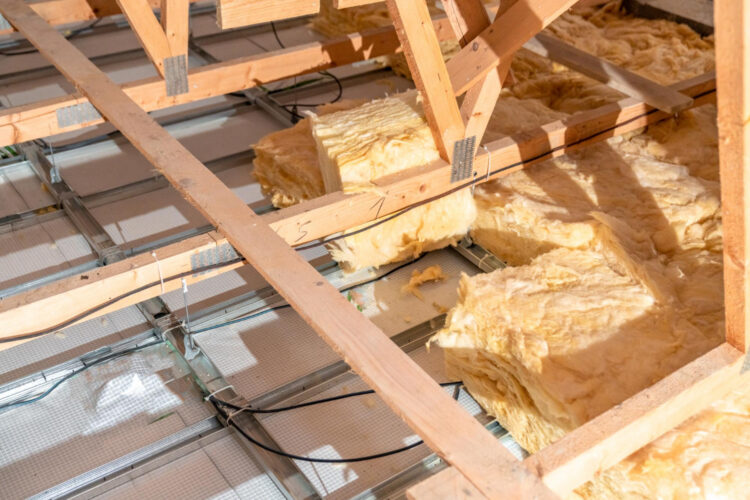
Roof insulation does more than keep a building warm in winter. In places like Buffalo, where the seasons shift quickly, having the right insulation near the top of your home matters just as much as what goes in the walls. This becomes especially true for buildings with low slope roofs. These types of roofs are common in Western New York, but they also come with specific challenges, especially as spring starts to warm things up while melting snow still lingers.
Low slope roof insulation in Buffalo, NY needs to work through heavy snow buildup in winter, rising temperatures in late March, and a long humid summer. For many flat and near-flat roofs, we install a layer of high density closed cell foam over the existing surface and then cover it with acrylic or silicone coatings that add waterproofing and reflect summer heat. That is why it helps to understand how roof shape affects performance and how proper insulation can give you better comfort, fewer moisture troubles, and a break for your heating and cooling systems.
Why Roof Design Matters in Buffalo Weather
A low slope roof is what it sounds like, something between a flat roof and a sharply angled one. It usually looks almost flat, but has just enough pitch to allow water and melting snow to run off slowly. You will often see this kind of roof on older city homes, small apartment buildings, or single-story commercial properties.
Unlike steep roofs that shed snow fast, low slope designs hold snow longer. When the temperature moves above and below freezing, like it often does in Buffalo during March and April, this causes melting and refreezing. That mix can push water into tiny gaps or hold moisture right against the materials. Without proper insulation, that trapped moisture leads to mold, roof damage, or even water leaking inside.
Insulation plays a big role in protecting the roof from these patterns. Done the right way, it helps keep indoor heat from rising into the roof, which slows down uneven snow melt and helps reduce the stress caused by freeze-thaw cycles.
Common Insulation Challenges for Low Slope Roofs
Compared to pitched roofs, low slope structures handle insulation a little differently. Without much vertical space between the ceiling and the roof surface, there is less room to work with. That setup rings some common hurdles:
- Trapped moisture from poor airflow or slow drainage
- Uneven indoor temperatures caused by heat loss through the roof
- Outside stress from ice and snow pushing on the roof over time
Buffalo homes see all of it, thanks to long winters and the kind of spring that teases warmth one day and brings flurries the next. Even a small heat leak in the roof can impact energy use. Over time, that adds up, not just in bills but in wear and tear on the whole system. People often do not realize the roof is part of why some rooms are colder or stickier than others.
Freeze-thaw cycles make these problems worse. When daytime temperatures start to reach the 40s in late March but drop back under freezing at night, water seeps in and freezes again. Without good insulation to manage that temperature swing, it creates stress on materials both inside and out.
Choosing the Right Type of Insulation
We always look at the building type and roof condition before picking insulation. For low slope roofs, there are a few options that tend to come up again and again. These include rigid foam board, spray foam, and layered systems that go above the roof deck or inside the cavity between roof and ceiling.
Spray foam is one choice that works well in places like Buffalo because of its dual purpose. It acts as both insulation and air sealant, closing off small gaps that let air or moisture through. That is especially useful when dealing with irregular or older roof shapes where boards might have shifted a bit over the years. Our closed cell roofing foam is waterproof on its own, and when it is paired with reflective white acrylic or silicone coatings, it creates a seamless roof system that can often be renewed later by power washing and recoating instead of doing a full tear-off.
Depending on how the roof is built, insulation can go:
- On top of the roof deck before applying a new surface
- Underneath the decking in a closed cavity
- A mix of both, especially if space or drainage is limited
We think through how the building behaves in both winter and spring before choosing where and how insulation should be placed. This attention to detail ensures that potential issues are minimized regardless of the season, so homeowners and building managers can plan ahead and avoid surprises as weather conditions change. It is also important to consider the longevity of the chosen insulation, as this affects not only energy efficiency but also maintenance needs for years to come.
How Proper Insulation Helps in Spring and Beyond
March and April bring longer days and rising outdoor temperatures, but that does not always mean a building warms evenly. Proper low slope roof insulation helps steady indoor comfort, especially in buildings that tend to heat quickly when the sun comes out or cool too fast when clouds move in.
Insulation acts like a barrier that helps indoor temperatures stay more level, no matter what spring decides to throw our way. When roofs hold onto heat, it can speed up ice melting, but with no outlet, that moisture sits and causes problems. A well-insulated roof keeps temperatures even, which helps melting snow run off at a natural pace without gathering or refreezing.
Here is what that can mean day to day:
- Fewer cold spots in upper rooms or near ceilings
- Less noise from wind or outside temperature swings
- Lower stress on heating and cooling systems, since indoor temps stay steadier
In the long run, that makes a home or building more livable year-round, not just during extremes. By mid-April, you are already feeling the shift out of winter, so having your roof fully insulated protects against both leftover snow and the first waves of spring rain.
Additionally, well-chosen insulation enhances energy efficiency by reducing unwanted energy loss through the roof surface. This not only provides greater comfort but also delivers more predictable climate control, which is especially useful in transitional seasons when weather can be inconsistent. By moderating rapid temperature changes, insulation helps reduce condensation problems and supports better air quality indoors.
What to Expect From a Professional Installation
When we take on a roof insulation job, it always starts with getting a solid look at the current condition. That means checking the roof deck, drainage areas, and making sure there is no wet material that needs to be removed. We look for signs of air movement, old leaks, or sagging that might affect how insulation is applied.
Depending on the roof setup, access might be needed from the outside or inside, and things like attic vents or ceiling tiles may need to be cleared. Timing matters too. Spring is a good target because there are fewer weather disruptions than during winter snow or summer storms. Our roof foam and coatings process has been used effectively since the 1970s, which helps make many low slope roof projects more cost effective by avoiding full tear-offs when the existing deck is still sound.
Here is what to expect once the work begins:
- Recommendations based on roof height, angle, and history of moisture issues
- Clean prep and containment to protect indoor areas if access is from below
- Work scheduled with weather in mind so materials set and seal correctly
It helps to work with people who know how flat and low slope roofs behave around Buffalo. Every building is a little different, especially when mixed spring weather comes into play.
Another important factor to consider is communication during installation. A trustworthy insulation company should keep property owners updated on progress, offer solutions tailored to any unique roof concerns, and answer questions along the way. Once the insulation is installed, it’s a good idea to have the system periodically inspected, just to ensure it continues to perform through Buffalo’s sometimes unpredictable weather.
A Smarter Roof Starts Before Summer Hits
Low slope roof insulation in Buffalo, NY is more than a seasonal upgrade. It plays a role across every month, from stretching heat through long winters to shielding interiors from muggy summer air. But come early spring, it takes on extra value, helping to manage snow melt, moisture buildup, and temperature swings that hit harder when roofs hold ice one day and soak in sun the next.
By tackling insulation now, before the real summer heat builds up, your roof stays ahead of the problem. It means a more stable indoor climate, a stronger structure, and less stress on mechanical systems. Preparation in March leads to peace of mind in June, and it puts your home or building in a better spot all year long, for comfort, care, and control.
Roof challenges with seasonal changes are common as Buffalo weather takes a toll on buildings with low slopes. We have seen early prep make a big difference when snow melts and the chill gives way to spring rain. Choosing the right materials and placement helps keep your home or building comfortable and dry. Thinking ahead about improvements means now is the time to take a closer look at low slope roof insulation in Buffalo, NY. Reach out to Energsmart today and let us discuss what your roof needs before summer kicks in.